Elevating Design Projects with the Sewing Equipment Icon Collection
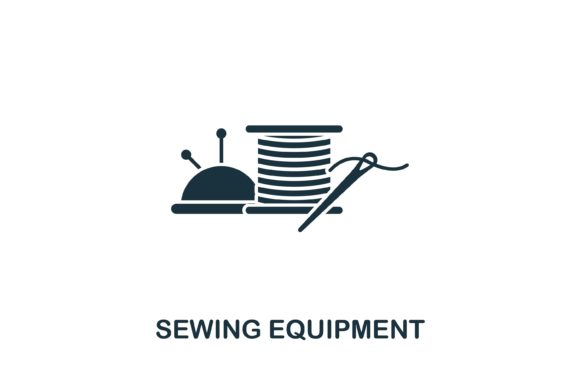
In the vast landscape of digital design, finding the perfect visual metaphor can often be more challenging than the actual layout work. For designers, crafters, and content creators operating within the textile, fashion, or DIY niches, generic imagery simply does not suffice. This is where a dedicated Sewing Equipment Icon becomes an indispensable asset. Rather than relying on complex photographs that can clutter a clean interface, a well-crafted vector symbol communicates function, theme, and aesthetic instantly. Whether you are building a website for a bespoke tailor, creating an infographic about fabric types, or designing packaging for artisanal thread, these icons serve as the visual shorthand that connects your audience to the subject matter immediately.
The Strategic Value of Vector Graphics in Niche Design
When integrating a Sewing Equipment icon into modern workflows, the file format matters just as much as the artistic style. The primary advantage of acquiring this collection in EPS format lies in its infinite scalability. Unlike raster images that pixelate when enlarged, vector graphics maintain crisp edges whether they are printed on a business card or displayed on a massive trade show banner. For web designers, this means faster load times and sharper visuals on high-density retina screens. The mathematical precision of vector paths ensures that every curve of a spool or the sharp point of a needle remains defined, preserving the professional integrity of your project regardless of the output size.
Beyond mere technical specifications, the stylistic consistency of a curated collection cannot be overstated. Mixing and matching free icons from disparate sources often results in a disjointed user experience where line weights, corner radii, and perspective clash. A unified Sewing Equipment Icon set guarantees that your sewing machine, scissors, thimble, and measuring tape all share the same visual DNA. This cohesion is critical for branding; it signals to the user that the content has been thoughtfully organized and professionally presented, which in turn builds trust in the underlying product or service.
Versatility Across Digital and Print Mediums
The practical application of these symbols extends far beyond simple website navigation. In the realm of infographics, a creative Sewing Equipment icon acts as an anchor point for data visualization. Instead of dense blocks of text explaining the differences between embroidery and quilting needles, a designer can utilize distinct icons paired with brief annotations to guide the viewer’s eye through the information hierarchy. This reduces cognitive load and makes educational content significantly more digestible. Similarly, in e-commerce templates, these icons can categorize products intuitively, allowing shoppers to filter by tool type without reading lengthy labels.
Print media benefits equally from this versatility. Because the package includes both EPS and JPG files, users have immediate flexibility. The JPG versions offer plug-and-play convenience for quick mockups, social media posts, or internal presentations where vector editing software might not be available. Meanwhile, the EPS files remain ready for high-fidelity production work. This dual-format delivery acknowledges the reality of creative workflows where speed and quality must often coexist. A marketing team might use the JPG for a rapid Instagram story update while the print department uses the same Sewing Equipment Icon source file to produce high-resolution brochures for an upcoming craft fair.
Customization and Editability for Brand Alignment
One of the most significant factors to consider before adopting any icon set is the ease of modification. No two brands have identical color palettes or stylistic preferences, and a rigid icon library can become a hindrance rather than a help. These sewing equipment vectors are designed with editability as a core feature. Using standard vector software like Adobe Illustrator, CorelDRAW, or even free alternatives like Inkscape, designers can effortlessly adjust stroke widths, fill colors, and opacity levels. This allows the Sewing Equipment icon to transition seamlessly from a bold, solid logo mark to a delicate, outlined watermark depending on the specific context of its use.
Furthermore, the ability to deconstruct and recombine elements opens up new creative possibilities. A designer might take the bobbin element from one icon and combine it with the needle from another to create a custom composite symbol unique to their brand. This level of manipulation transforms a stock asset into proprietary intellectual property. It also future-proofs the purchase; as design trends shift from flat minimalism to neumorphism or glassmorphism, having access to the raw vector paths ensures the assets can be updated without needing to repurchase entirely new libraries.
Enhancing User Experience Through Visual Semantics
In user interface (UI) design, clarity is paramount. Users should never have to guess what a button does. A well-designed Sewing Equipment Icon leverages established visual semantics to reduce friction. A pair of shears universally signifies "cut" or "trim," while a spool suggests "thread" or "materials." By utilizing these recognizable forms, designers tap into pre-existing mental models, making applications and websites more intuitive. This is particularly important for niche hobbyist sites where the audience may range from tech-savvy millennials to older traditionalists who value straightforward navigation over trendy abstraction.
Accessibility also plays a role in how these icons are deployed. While the visual representation is key, the semantic structure of the icon within the code matters for screen readers. When implementing these SVG or EPS-derived assets, developers should ensure proper ARIA labeling so that the visual shorthand translates accurately for visually impaired users. The simplicity of the illustration aids in this process; cleaner geometry typically converts to cleaner code, resulting in better performance and accessibility scores. Thus, choosing a high-quality Sewing Equipment icon is not just an aesthetic decision but a functional one that impacts site health and inclusivity.
Key Considerations Before Integration
Before downloading or purchasing, it is wise to evaluate the specific needs of your current and future projects against the characteristics of the collection. Consider the following practical factors:
- Style Compatibility: Does the line weight match your existing typography? If your site uses ultra-thin sans-serif fonts, a chunky, hand-drawn style icon might feel out of place. Ensure the Sewing Equipment Icon aesthetic aligns with your broader design system.
- Scope of Collection: Verify that the set includes the specific tools relevant to your niche. A general sewing set might lack specialized embroidery hoops or serger components if your focus is highly technical. Comprehensive coverage prevents the need to supplement with mismatched assets later.
- Licensing Terms: Always review the usage rights. Confirm whether the license covers commercial client work, resale in templates, or unlimited end-products. Understanding these boundaries protects you legally and ensures smooth project delivery.
- File Organization: Well-organized layers and named groups within the EPS file save hours of ungrouping and renaming. Test the file structure early to ensure it integrates smoothly into your asset management pipeline.
Ultimately, the decision to invest in a premium Sewing Equipment icon collection is an investment in efficiency and brand consistency. In an industry driven by aesthetics and attention to detail, the quality of your supporting graphics reflects directly on the perceived value of your main content. By prioritizing editable, scalable, and semantically clear vector assets, designers can build richer, more engaging experiences that resonate deeply with the crafting community. The right icon does not just decorate a page; it clarifies communication, enhances usability, and celebrates the artistry of the subject itself.