Hernia Belts Icon: Essential Medical Vector Graphics
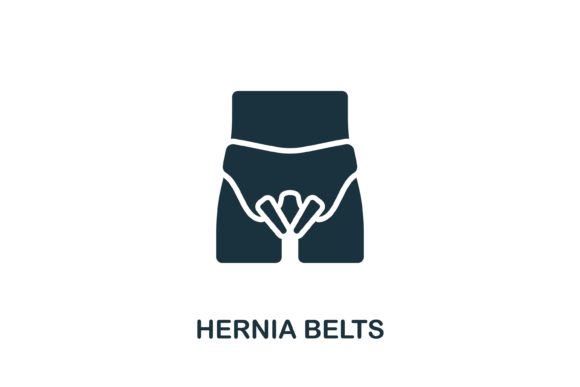
Visual communication in healthcare and rehabilitation requires a delicate balance of accuracy and simplicity. When designing for medical websites, educational brochures, or patient recovery guides, clarity is paramount. The hernia belts icon serves as a vital visual shorthand within the trauma rehabilitation collection, bridging the gap between complex medical terminology and immediate user understanding. This monochrome symbol is more than just a graphic; it is a functional design element that helps patients, caregivers, and medical professionals quickly identify post-operative support products without navigating dense text.
For web designers and content creators working in the health niche, finding specific medical imagery can often be a challenge. Generic medical icons rarely capture the nuance of specialized rehabilitation equipment. This specific illustration focuses on the distinct form factor of abdominal support garments, making it instantly recognizable to those seeking trauma recovery resources. By utilizing a clean, minimalist aesthetic, the graphic maintains professionalism while remaining accessible to a broad audience ranging from clinical practitioners to individuals managing their own recovery at home.
Why Monochrome Vectors Matter in Health Design
The decision to offer this hernia belts icon in a monochrome format is intentional and highly practical for modern digital design. In the context of web accessibility and responsive design, single-color vector graphics provide unmatched versatility. Unlike full-color raster images that can clash with existing brand palettes or become pixelated when resized, a vector-based symbol adapts seamlessly to any environment. Whether you are placing it on a high-resolution retina display or printing it on a standard office flyer, the lines remain crisp and the message remains clear.
Monochrome designs also reduce cognitive load for users. In trauma rehabilitation contexts, audiences may be stressed, in pain, or processing difficult medical information. A simple, high-contrast symbol allows for faster visual processing than a detailed photograph or complex illustration. This efficiency supports better user experience (UX) by guiding the eye to relevant sections of a webpage or document without causing visual fatigue. For marketers and bloggers, this means higher engagement rates and clearer calls to action when discussing sensitive health topics.
Understanding the Included File Formats
When you acquire this asset, you receive both EPS and JPG files, each serving a distinct purpose in your creative workflow. Understanding the difference ensures you get the most value out of the download:
- EPS (Encapsulated PostScript): This is your master vector file. It is infinitely scalable and fully editable in software like Adobe Illustrator, CorelDRAW, or Affinity Designer. You can change the color to match your brand guidelines, adjust line weights, or combine it with other elements from the trauma rehabilitation collection without losing quality.
- JPG (Joint Photographic Experts Group): This is a ready-to-use raster image perfect for quick implementation. It requires no specialized software and can be inserted directly into Word documents, PowerPoint presentations, or basic website builders. While not scalable like the EPS, it provides immediate utility for non-designers.
This dual-format approach makes the asset accessible to everyone, from professional graphic designers building comprehensive UI kits to small business owners updating a Shopify store product page.
Practical Applications Across Digital and Print Media
The utility of a dedicated hernia belts icon extends far beyond a single use case. Its neutral, professional styling allows it to integrate naturally into various projects within the medical and wellness sectors. Consider how this symbol functions across different platforms and mediums:
E-Commerce and Product Listings: For online retailers selling medical supplies, category navigation is critical. Using this icon as a thumbnail or filter option helps customers locate abdominal supports faster than reading text labels. It creates a visual anchor that improves site navigation and reduces bounce rates.
Patient Education Materials: Physical therapists and surgeons often provide take-home instructions. Incorporating this symbol next to sections about "Post-Op Care" or "Support Garments" breaks up walls of text and reinforces verbal instructions. Visual cues have been shown to improve information retention in clinical settings.
Infographics and Data Visualization: When creating content about hernia statistics, recovery timelines, or surgical procedures, this icon acts as a consistent visual marker. It helps structure complex data into digestible chunks, making infographics more shareable and effective for social media marketing.
Mobile App Interfaces: Health tracking apps and telemedicine platforms require compact iconography. The clean lines of this vector graphic ensure legibility even at small sizes on smartphone screens, supporting intuitive app navigation for users managing their rehabilitation journey.
Key Considerations Before Implementation
While this hernia belts icon is designed for ease of use, there are important factors to consider to ensure it serves its intended purpose effectively. Context is everything in medical communication. Always verify that the stylized representation aligns with the specific type of support garment you are referencing. Hernia belts come in various styles, including trusses, binders, and wraps. Ensure the icon’s silhouette matches the product or concept being discussed to avoid confusing patients or customers.
Additionally, consider cultural and demographic sensitivity. Medical icons should be universally understood and free from unnecessary detail that might date the design or introduce bias. The monochrome nature of this asset helps maintain neutrality, but placement matters. Avoid using the icon in ways that could be interpreted as alarming or stigmatizing. It should always appear in supportive, informative, or navigational contexts rather than as a warning label unless specifically intended for safety signage.
From a technical standpoint, always work from the EPS file when possible. Even if you only need a small PNG for a website today, having the vector source ensures future-proofing. Brand colors change, print requirements evolve, and new platforms emerge. Maintaining access to the editable vector guarantees that this asset remains useful throughout the lifecycle of your project. If you lack vector editing software, many free and open-source alternatives like Inkscape can handle EPS files, ensuring you are never locked out of customizing your graphics.
Enhancing User Trust Through Professional Imagery
In the digital health space, trust is built through consistency and professionalism. Low-quality clip art or inconsistent icon styles can undermine the credibility of medical content. This hernia belts icon is crafted as part of a cohesive trauma rehabilitation collection, ensuring that if you expand your visual library later, new assets will share the same line weight, style, and tone. This visual consistency signals to users that the content has been curated carefully, which is especially important when addressing vulnerable audiences dealing with injury or surgery recovery.
Ultimately, effective medical design is invisible. It guides, informs, and reassures without drawing attention to itself. By integrating this thoughtfully designed symbol into your templates, infographics, and web projects, you enhance the overall user experience. You provide clarity in moments of uncertainty and professionalism in an industry where details matter. Whether you are a freelancer building a portfolio, an educator creating course materials, or a healthcare provider improving patient communications, this versatile vector graphic offers a reliable foundation for clear, compassionate visual storytelling.