The Strategic Role of the Fabric Scissors Icon in Modern Digital Design and Branding
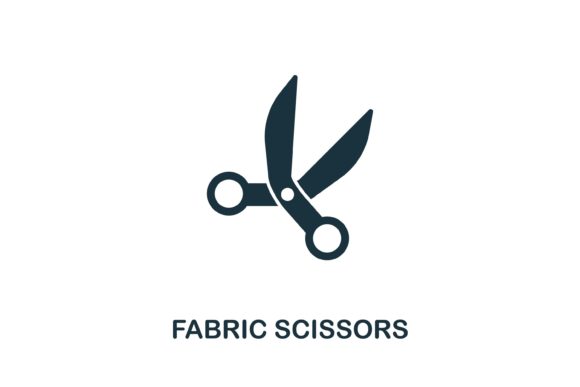
In the expansive ecosystem of digital assets, specific symbols often carry weight far beyond their literal representation. The Fabric Scissors Icon is one such asset that has transcended its origins as a simple sewing equipment illustration to become a vital component in contemporary web design, e-commerce interfaces, and creative branding. For professionals, marketers, and entrepreneurs, understanding the utility and versatility of this vector graphic is essential for building intuitive user experiences and cohesive visual identities. This is not merely about depicting a tool; it is about communicating craftsmanship, precision, and customization in an increasingly digital-first marketplace.
Defining the Asset: More Than Just a Sewing Illustration
At its core, the Fabric Scissors icon serves as a semantic anchor within user interfaces and marketing materials. While it originates from the sewing equipment collection, its application in digital spaces requires a distinct approach to form and function. A high-quality vector representation of fabric scissors differs significantly from a photograph or a complex artistic rendering. It is a distilled symbol designed for instant recognition at various scales, from a 16-pixel favicon to a large-format hero image on a landing page.
When designers and developers integrate this icon, they are leveraging a universally understood metaphor. In the context of software and web applications, scissors imply cutting, trimming, editing, or customizing. In the context of retail and lifestyle branding, they signify tailoring, bespoke services, and handmade quality. The duality of this symbol makes it an exceptionally high-value asset for diverse industries. Whether delivered as an EPS file for print scalability or a JPG file for quick web deployment, the asset must maintain clarity and intentionality to be effective.
Alignment with Broader Industry and Consumer Trends
The rising demand for specialized icons like the Fabric Scissors Icon correlates directly with several macro-trends in technology, commerce, and consumer behavior. We are currently witnessing a significant shift toward niche specialization and the "maker economy." As mass production faces scrutiny regarding sustainability and quality, consumers are gravitating toward brands that emphasize artisanal processes and personalized experiences. Visual communication must reflect this shift.
The Resurgence of Craft and Customization
The DIY and crafting sectors have exploded, driven by social media platforms and a post-pandemic focus on home-based hobbies. However, this trend has also influenced professional B2B and B2C markets. Textile manufacturers, fashion tech startups, and sustainable clothing brands are using digital platforms to tell stories of production. A generic "settings" gear icon no longer suffices for a brand selling bespoke patterns or sustainable fabrics. The Fabric Scissors icon bridges the gap between industrial capability and artisanal care, signaling to the user that the platform understands the nuances of textile work.
Semantic Clarity in User Experience (UX)
In the realm of UX design, cognitive load is the enemy. Users expect interfaces to be self-explanatory. As software becomes more specialized—think pattern-making CAD software, inventory management for quilters, or e-commerce filters for craft supplies—generic iconography creates friction. A creative Fabric Scissors icon provides immediate contextual feedback. When a user sees this symbol next to a "Trim Allowance" setting or a "Custom Cut" product option, they process the information faster than if they had to read a text label. This efficiency is critical in reducing bounce rates and improving conversion in competitive digital markets.
Why Professionals Are Prioritizing Vector Versatility
For freelancers, agencies, and in-house creative teams, the technical specifications of an icon are just as important as its aesthetic appeal. The requirement for assets that are "easy to edit and use" stems from the agile nature of modern workflows. Projects rarely remain static; a branding kit designed for a website today may need to be adapted for packaging, social media templates, or infographic presentations tomorrow.
The Importance of Format Flexibility
Obtaining both EPS and JPG files ensures that the asset remains future-proof. The EPS (Encapsulated PostScript) format is the industry standard for vector graphics because it allows for infinite scaling without pixelation. This is non-negotiable for professionals who may need to place the Fabric Scissors icon on a billboard, a business card, or a high-resolution retina display. Furthermore, the vector nature of the EPS file allows designers to manipulate anchor points, adjust stroke weights, and recolor the icon to match specific brand guidelines seamlessly.
Conversely, the JPG format serves immediate, low-friction needs. Marketers drafting mockups, content creators building Pinterest infographics, or entrepreneurs presenting concepts to stakeholders often require a rasterized version that can be dropped into documents or slides without requiring specialized vector software. Providing both formats respects the varied workflows of modern creative professionals, eliminating bottlenecks in the production pipeline.
Practical Applications Across Creative Disciplines
The utility of a well-designed Fabric Scissors icon extends across multiple verticals. Understanding these applications helps professionals maximize the ROI of their digital asset libraries.
- E-Commerce and Retail: Used to denote "made-to-measure" options, fabric sample requests, or alteration services. It acts as a visual cue for premium, customized service tiers.
- EdTech and Tutorials: Essential for online sewing courses, pattern drafting tutorials, and craft blogs. The icon serves as a navigational marker for video lessons or downloadable PDF guides involving cutting techniques.
- SaaS and Productivity Tools: In project management tools tailored for fashion design or manufacturing, the icon represents specific workflow stages such as "sampling," "grading," or "waste reduction."
- Infographics and Data Visualization: When visualizing supply chain data or textile recycling statistics, the Fabric Scissors icon adds thematic relevance, making dry data more engaging and contextually appropriate for industry reports.
- Brand Identity Systems: For tailors, boutiques, and textile artists, the icon can be stylized into a logo mark or used as a recurring motif in packaging design, reinforcing brand recognition through consistent visual language.
Changing Expectations in Digital Asset Consumption
The market for icons has matured. Users are no longer satisfied with generic, clip-art style illustrations. There is a heightened expectation for creative interpretations that align with modern design aesthetics, such as minimalism, line art, or flat design with subtle depth. A Fabric Scissors icon intended for professional use must balance stylistic trends with functional legibility.
Furthermore, the integration of these assets into design systems has changed how they are managed. Professionals are looking for icons that are part of a cohesive family. A standalone Fabric Scissors icon is useful, but it is exponentially more valuable when it shares the same stroke width, corner radius, and optical weight as accompanying icons like needles, thread spools, measuring tapes, and dress forms. This consistency is what separates amateur designs from professional-grade interfaces. When sourcing or creating these assets, one must consider how the scissors will sit alongside other elements in a navigation bar or a feature grid.
The Intersection of Tradition and Technology
Ultimately, the enduring relevance of the Fabric Scissors icon lies in its ability to humanize technology. As artificial intelligence and automation reshape the manufacturing and creative landscapes, there is a counter-movement valuing the tangible and the tactile. Digital interfaces that incorporate symbols of physical craft acknowledge the human element behind the screen.
For entrepreneurs and marketers, utilizing this icon is a strategic nod to heritage and skill. It tells the audience that despite the digital medium, the values of precision, care, and material respect remain intact. Whether you are designing a template for a sewing influencer, building an infographic for a textile sustainability report, or developing a UI for a fashion-tech startup, the Fabric Scissors icon is a powerful communicative tool. By ensuring access to editable EPS and ready-to-use JPG files, creators equip themselves with the flexibility needed to navigate the evolving demands of the digital landscape, ensuring their visual communication remains as sharp and precise as the tool it represents.